![Watching a small group scrimmage, Ben Lundt, St. Louis City SC goalkeeper and founder of Lundt Pro Soccer Training, shouts words of encouragement to players on Sunday, April 26 n the Lafayette grass soccer field. “The idea behind [the event] was to bring the professional soccer players closer to the community because usually people only get to see us on TV or in the stadium. [Families] actually having the opportunity to have their kids on the field with us is the most important aspect,” Ben Lundt said.](https://lancerfeed.press/wp-content/uploads/2026/05/IMG_6823-1200x800.jpg)










![In celebration of winning his second straight state title in the 215 weight class, junior Carter Brown backflips before leaving the mat. Brown won his bout against junior Kobe Rhymes of North Kansas City High School by fall in just 41 seconds. "Carter does what Carter does. We expect [success] out of him and his goals are bigger than the state championship," coach Sam Ritchie said.](https://lancerfeed.press/wp-content/uploads/2026/03/IMG_2784-1200x800.jpg)





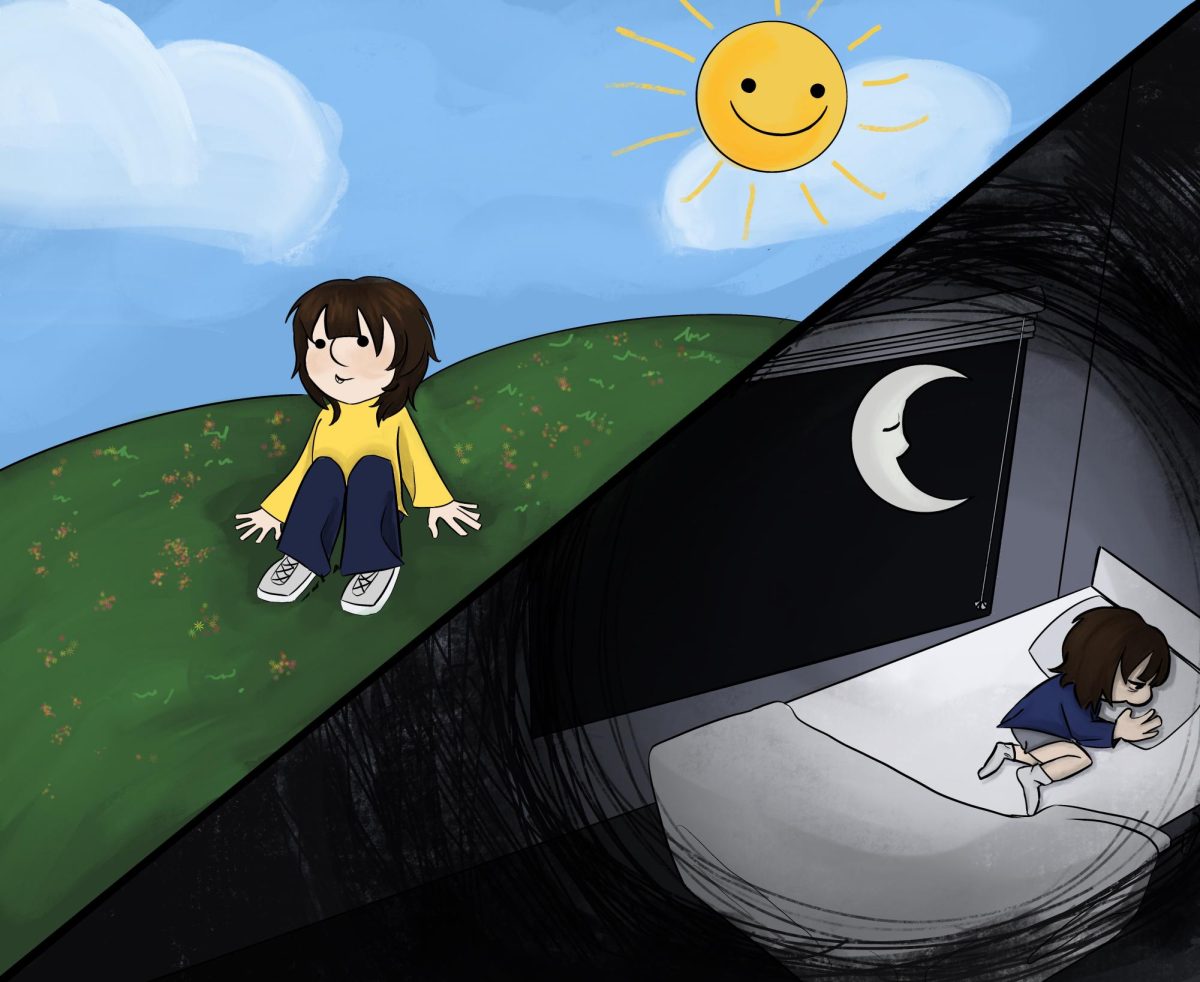
Do you ever catch yourself down with the “winter blues?” According to the National Institute of Mental Health, seasonal affective disorder (SAD) is “a type of depression characterized by a recurrent seasonal pattern, with symptoms lasting about 4−5 months out of the year.”
Also known as seasonal depression, SAD’s symptoms present as those associated with depression—persistent low mood, sleep or appetite changes, hopelessness or pessimism—but occur in accordance with a winter or summer-pattern. Symptoms differ between the two forms of SAD: winter-pattern symptoms often include oversleeping and overeating, while summer-pattern symptoms include trouble sleeping and poor appetite.
Studies estimate that seasonal depression impacts 10 million Americans, with another 10%-20% possibly having mild SAD. Further, studies suggest that 1.7%-5.5% of youth from the ages of nine to 19 may experience seasonal affective disorder.
Lafayette’s social worker, Cindy Laudel, noted that the counseling office sees an uptick in students seeking support approaching school breaks, particularly around the holidays.
“Winter break can be good because you can kind of get away from school and do some fun things,” Laudel explains. “But for students who see school as a safe haven, break can be difficult because you’re taking that student away from all of their friends and their go-to people for support. So, it’s a hit or miss.”
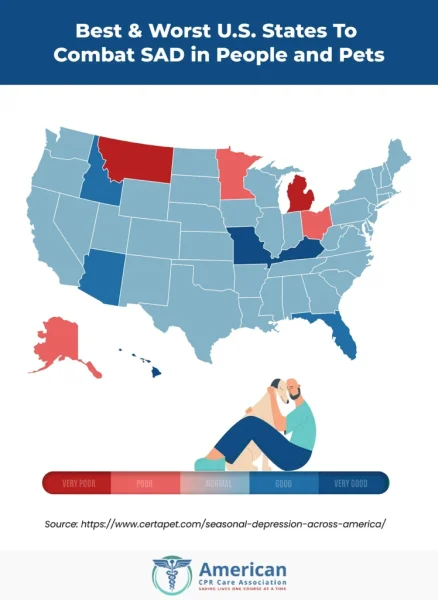
Newport Academy, a behavioral healthcare provider for children and teens, explains how the change in season influences SAD in adolescents. Decreased sunlight is directly linked to disturbed circadian rhythms, low serotonin levels, increased melatonin levels and Vitamin D deficiency—biological disruptions that lead to sluggish, depressive symptoms.
Several risk factors are associated with SAD, including being young and female, having family members with SAD, a clinical depression or bipolar disorder diagnosis and living farther from the equator. The estimated age of onset is between the ages of 18-30, meaning young people are especially vulnerable.
Laurel explains the key to supporting those with SAD: awareness. “We need to keep an eye on teens, talk with them and listen for signs. Just be aware of when there might be a struggle and reach out.”
However, parents and teachers may struggle to distinguish between normal teenage hormonal changes, such as wanting to sleep in, and a potential case of seasonal depression. Dr. Catherine Hutter, a pediatric psychologist at St. Louis Children’s Hospital, describes red flags that a teen might have SAD as avoiding friends, feeling sad or irritable, having very little energy, loss of interest in activities previously enjoyed and sleeping more than usual.
Laudel adds that, while teens get moody at times for various reasons, usually the moodiness changes and there are ups and downs.
“Instead, [a teen with SAD] would exhibit moodiness that doesn’t fluctuate. When you see this constant sadness that starts to interfere with daily functioning, that’s where it becomes a problem,” Laudel said.
Seasonal depression often has repercussions regarding academic performance. In school, SAD may manifest into slipping grades, missing assignments and repeated tardiness. SAD further impairs a student’s school performance by disrupting their sleep cycle, causing fatigue and emotional dysregulation which heavily impact focus.
Moreover, Ridge Residential Treatment Center, a mental health program for teens, explains how a student with SAD might resort to “unhealthy coping mechanisms like substance use, which, in addition to increasing the
risk of co-occurring depression, anxiety disorders, or self-harm, can also lead to lower grades and higher risk of school delinquency.”
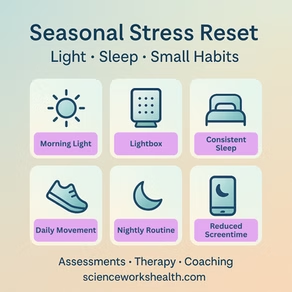
There are multiple treatments for seasonal depression. Doctors may recommend Vitamin D, light therapy and talk therapy. Additionally, spending time with friends and family, exercising, eating a healthy diet and sticking to a sleep schedule may improve SAD.
“If things are getting really difficult and cross that barrier of interfering with daily functioning, you might want to see your doctor for an evaluation,” Laudel said. “There are some medications and therapies for a more professional level of help.”
To combat SAD, Laudel emphasizes awareness without judgement.
“Teenagers are people, too, and need help at different times,” Laudel said. “If a student is willing to say, ‘I need help,’ there are counselors here who are willing to listen.”
SAD can have severe consequences, such as “suicidal thoughts or behavior, withdrawing from social activities and relationships, difficulty functioning at work or school, and substance use,” and should thus be taken seriously. If you or a loved one are experiencing symptoms of SAD or any form of depression, share your concerns with a parent, doctor or trusted adult. Additional resources include the 988 Suicide and Crisis Lifeline and the Anxiety and Depression Association of America Therapist Finder.